Dancing Through Darkness: How Joy Became Our Act of Resistance
What do you do when grief threatens to swallow you whole?
You fight. You march. And sometimes—you dance.
Recently, I heard Glennon Doyle quote Dan Savage on her podcast We Can Do Hard Things. His words hit me like a lightning bolt because they weren’t just history—they were my life:
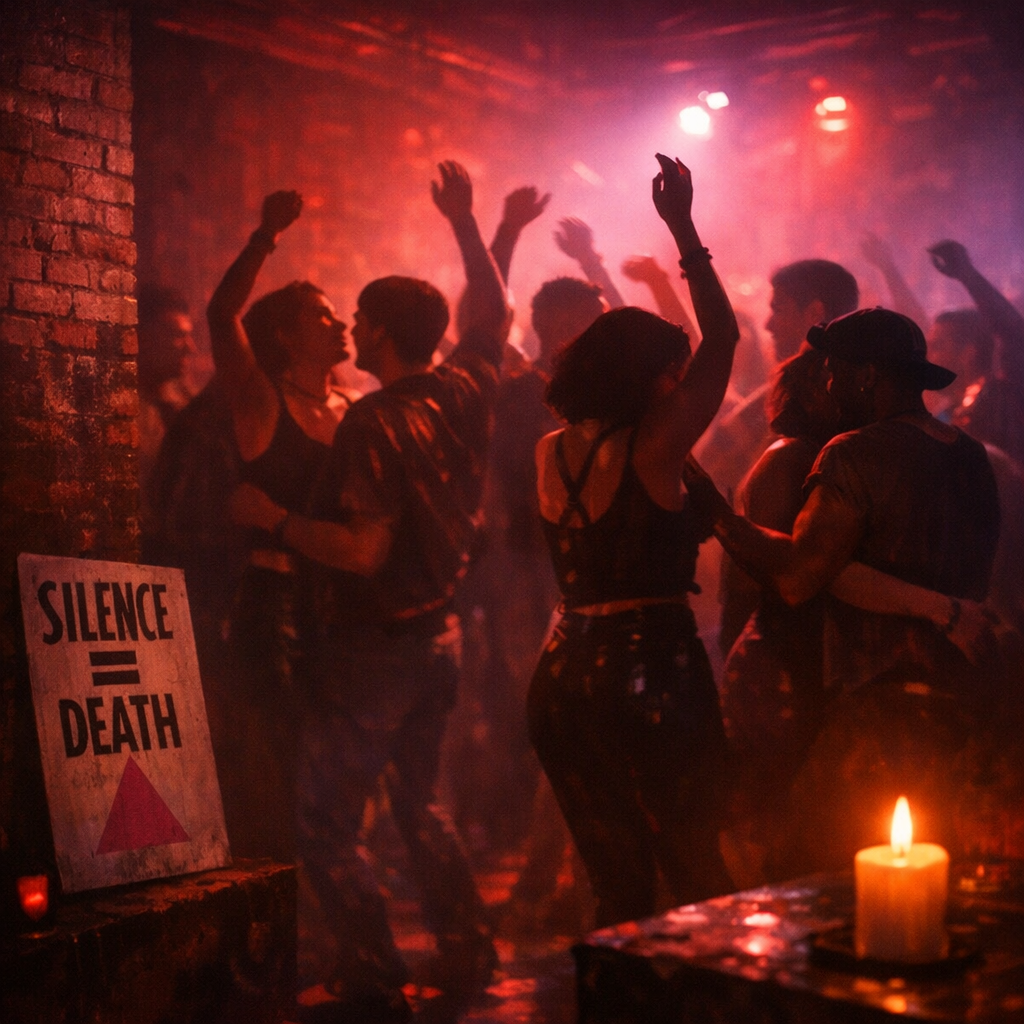
"During the darkest days of the AIDS crisis, we buried our friends in the morning, we protested in the afternoon, and we danced all night. The dance kept us in the fight because it was the dance we were fighting for."
That wasn’t just a quote—it was truth. After graduate school, determined to claim my sexuality as my own, I jumped in a car and drove across the country to Los Angeles. A dear friend invited me to join the traveling nurse circuit, and without realizing it, I said yes to a one-way ticket that would change everything.
My first job using my degree was as a social worker for LGBTQ foster youth—the most marginalized of the marginalized. These were kids society had thrown away. Trans youth injecting street hormones, cooking oil into their chests to create breasts, anything they could find to survive in a world that treated them as disposable. AIDS deaths slowed in the mid-90s, but infection rates stayed high, and the idea of joyful sex was buried under the fear of dying a slow, painful death.
So we fought. We marched. We challenged families, politics, and systems. We demanded visibility and dignity. And at night, we danced.
We took ecstasy and moved from Friday night until Sunday morning, sweating out grief and childhood trauma on the dance floor. We learned how to let go, how to be touched, how to stop caring about what anyone thought.
Because trauma lives in the body. It doesn’t vanish with words or good intentions—it lodges deep in muscles, in breath, in the nervous system. Dancing—together, to the deep, pulsing beats of house music—was how we reminded ourselves to strengthen and release, to reclaim joy in our bodies. Each beat was a declaration: We are still here. We are still alive. We will not be erased.
The dance wasn’t just escape—it was resistance. It was survival. It was joy as a political act. In a world that told us we were broken, we created spaces where we could feel whole. We turned grief into movement, fear into rhythm, and isolation into community. We fought for our right to pleasure, to connection, to life itself.
About six years ago, I moved to the South after feeling beat up by the radical left. I thought, How could I possibly not be left enough after all I have been through and done? How dare you take punches at me when you are standing on my shoulders—as I am on those before me.
That’s a big piece missing today: people think they just deserve their freedoms because they are alive—forgetting that nothing worth living for is given freely. When I first moved South, I found great peace in the gentile—and I still do—but denying or pushing away rage is a recipe for sickness. Surrounding yourself only with people who look and think like you? That’s lazy. And it’s a sure-fire way to have your rights and dignity stripped away while you’re not looking.
Recently, I even lost a lifelong friend to political differences. And I’m okay with that—because I cannot reconcile how someone can claim a political stance that strips dignity while professing love for my family. Freedom isn’t just a birthright. It’s a fight.
So in 2026, I embrace the rage. I speak up and challenge. I say no more. I wake back up. Because peace without power is an illusion, and silence in the face of injustice is complicity. Rage, when harnessed, is fuel for change. And joy—joy is the antidote that keeps us human in the fight.
And here’s the truth: change does not happen by screaming into the void. It happens through deep, one-on-one personal connection. Change happens when it becomes personal. When someone you love is affected, when the injustice touches your own life—that’s when the fire ignites. That’s when movements grow.
Resilience is not just about enduring—it’s about embodying. It’s about finding ways to inhabit our bodies fully, even when the world tries to make us disappear. Trauma may be stored in the body, but so is liberation. Every time we move, breathe deeply, and allow joy to flood our cells, we reclaim something sacred.
So dance. March. Speak. Love. Because the fight for justice is also the fight for joy—and joy is not frivolous. Joy is revolutionary.